Product Description
Medical Cotton Roll Processing Machine with Bleaching Plant
Amarnaathh Engineering is a trusted manufacturer of advanced medical textile machinery, delivering innovative and high-performance solutions for the healthcare and surgical disposable industry worldwide. With a strong focus on automation, production efficiency, durability, and customized engineering, Amarnaathh Engineering provides complete turnkey solutions for absorbent cotton processing and medical textile manufacturing plants.
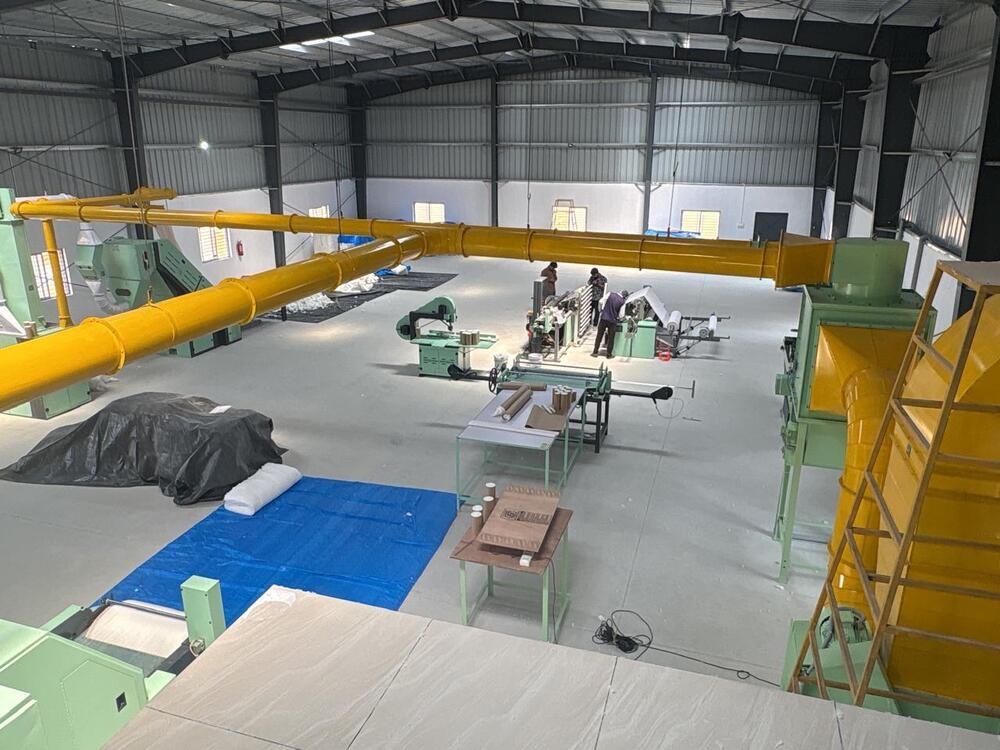
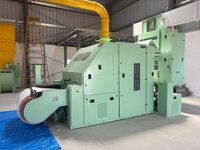
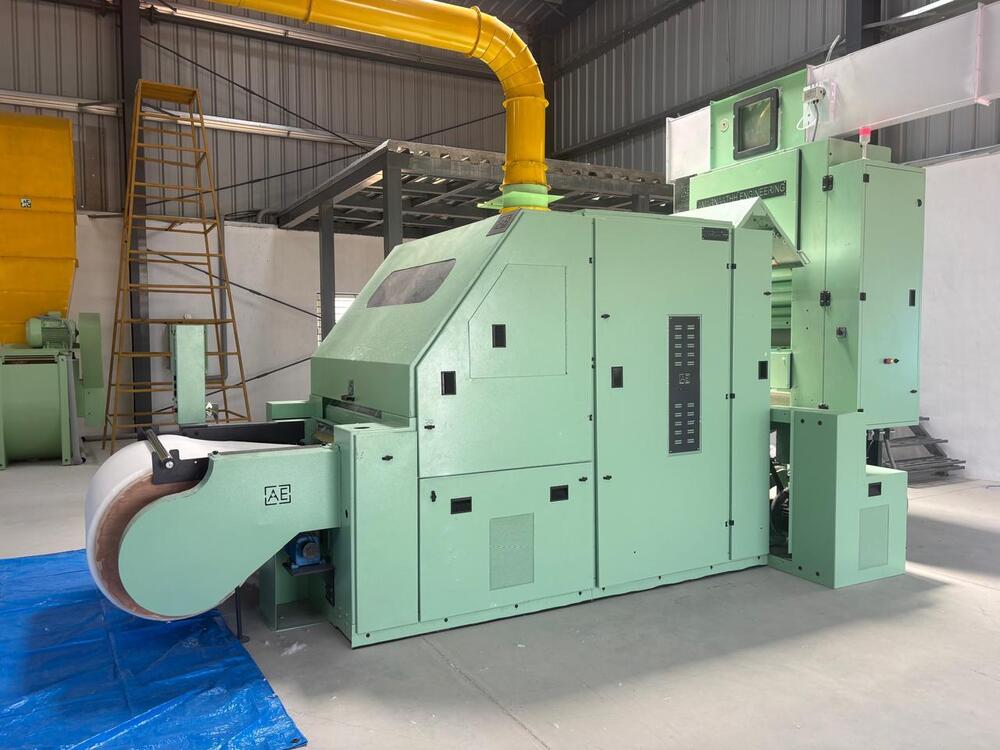
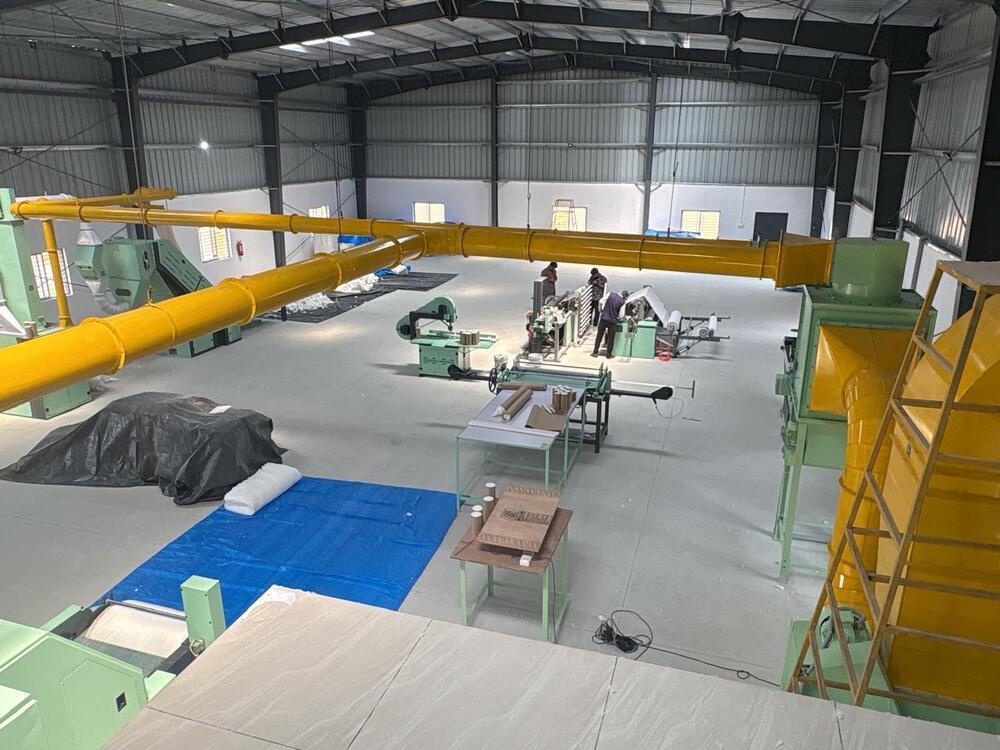
The Medical Cotton Roll Processing Machine with Bleaching Plant is a fully integrated production system designed for manufacturing high-quality absorbent surgical cotton rolls used in hospitals, clinics, pharmaceutical industries, cosmetic applications, and healthcare product manufacturing units. This advanced processing line converts raw cotton into hygienically processed bleached absorbent cotton rolls with superior softness, absorbency, and medical-grade quality standards.
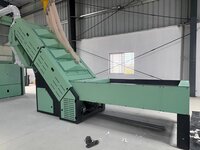
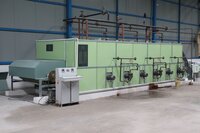
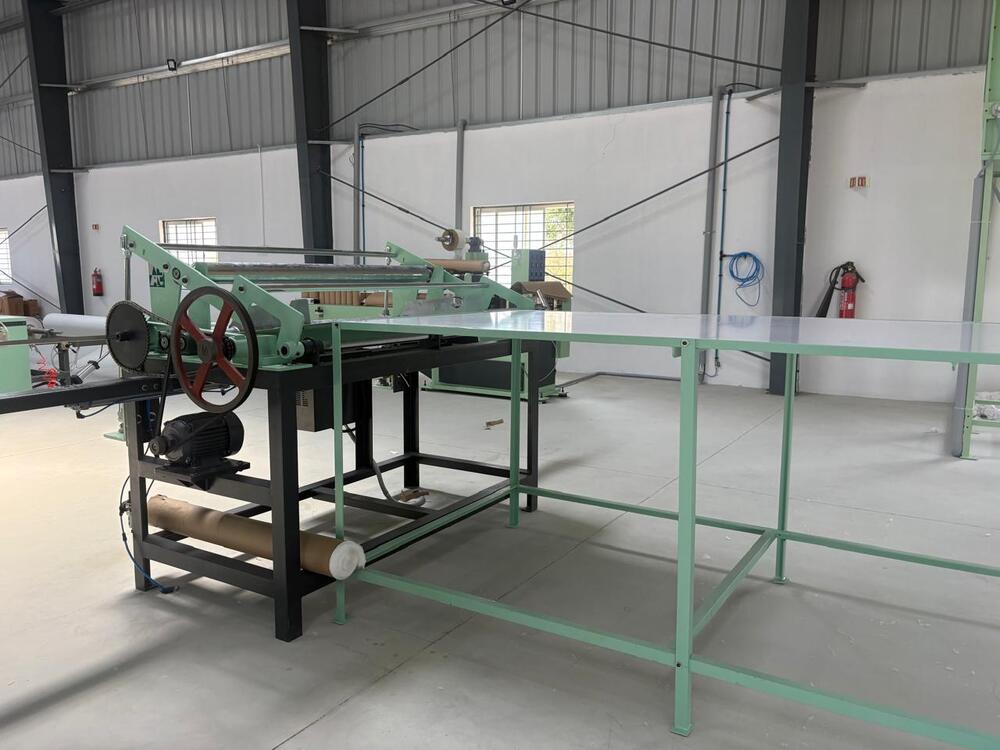
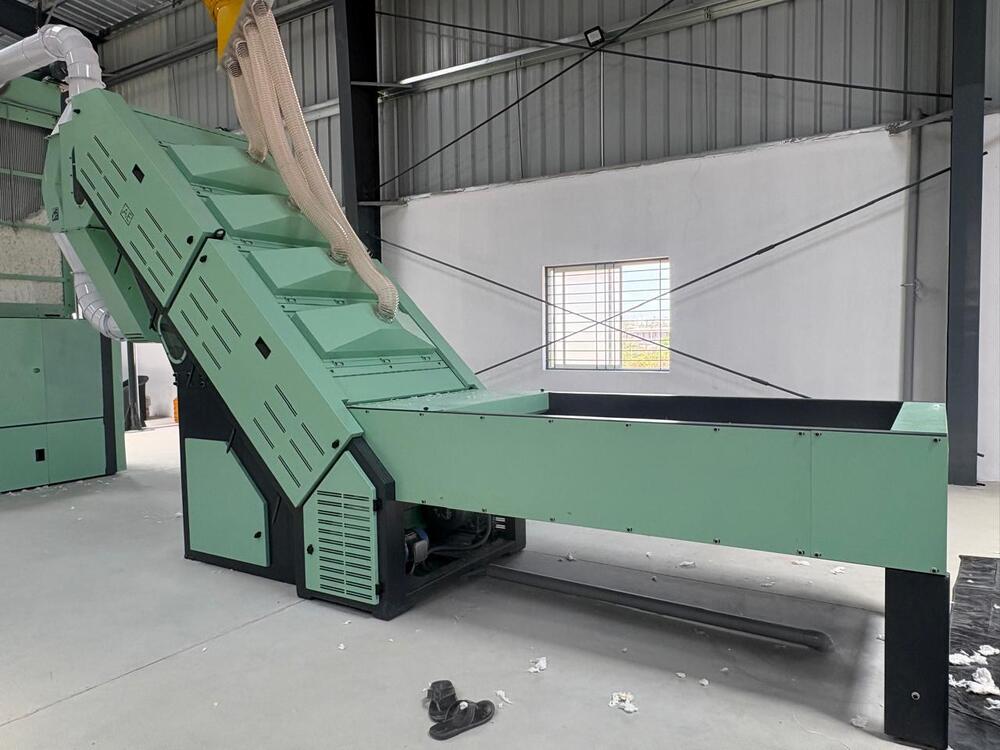
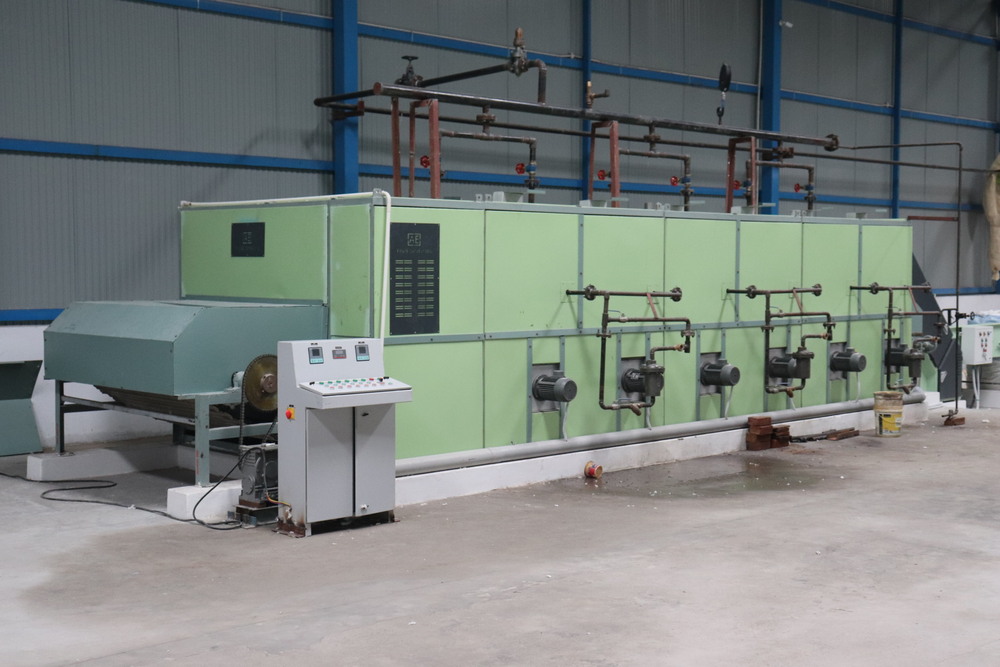
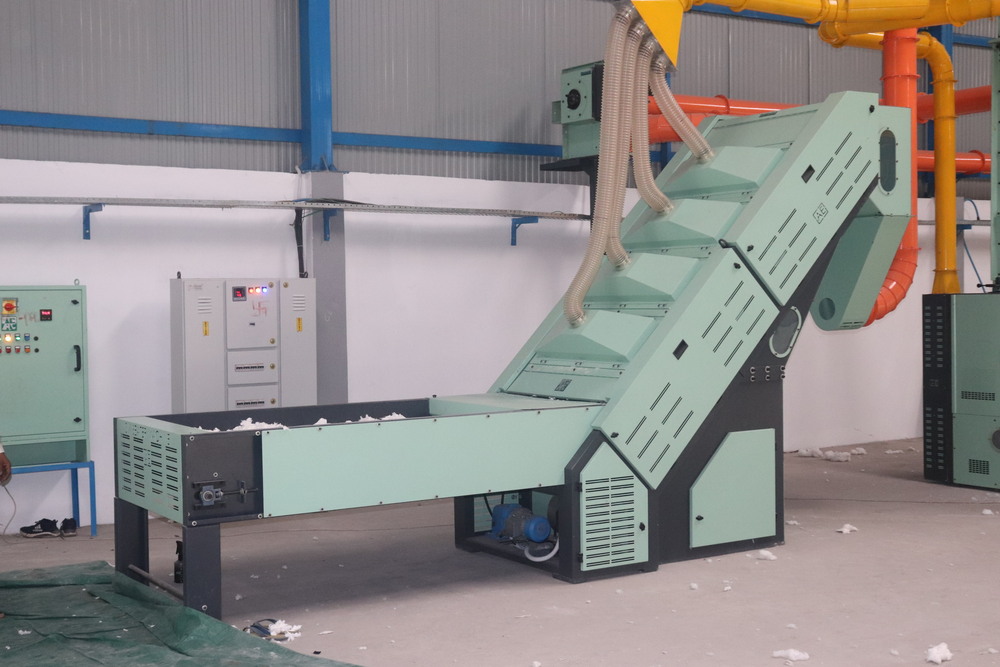
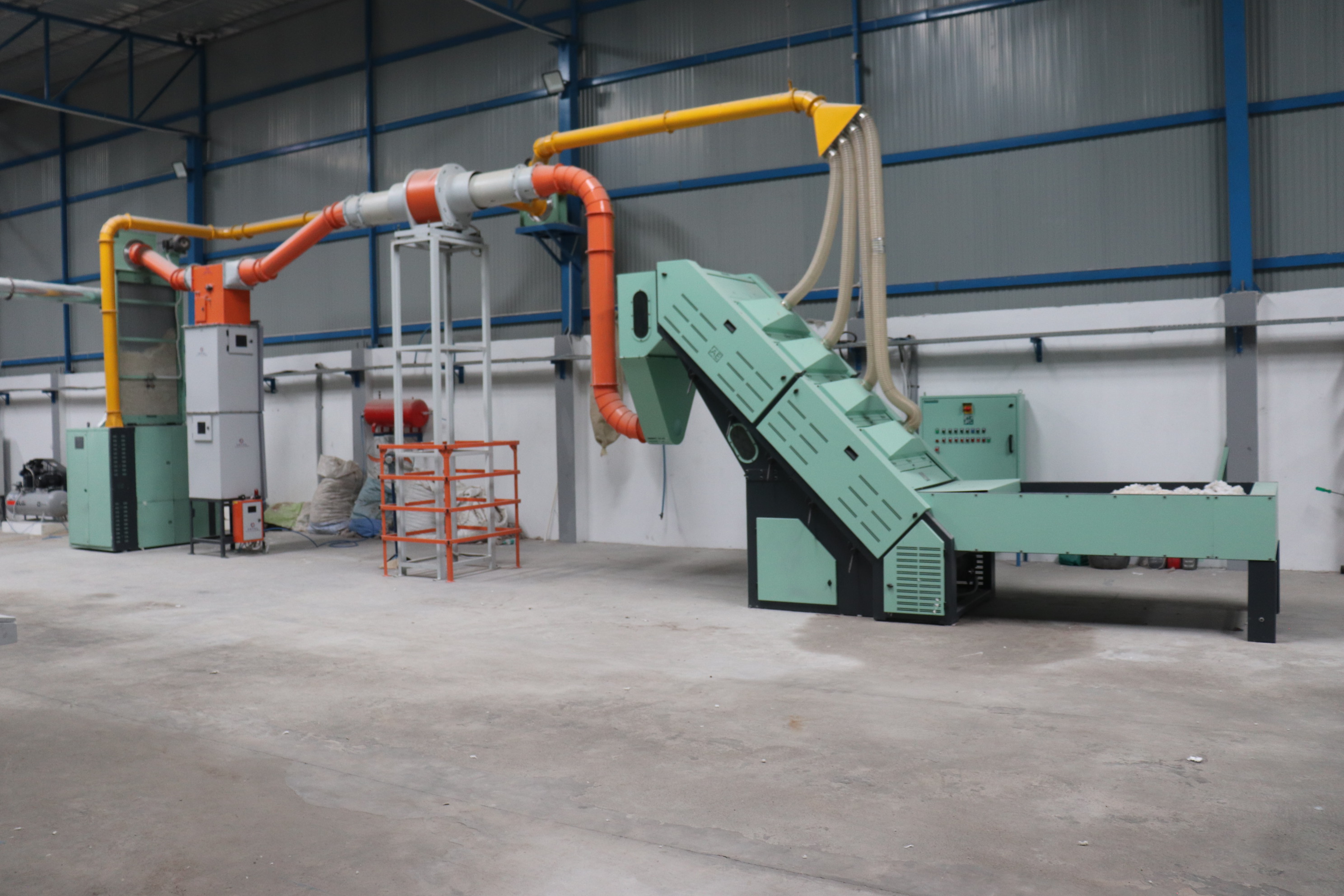
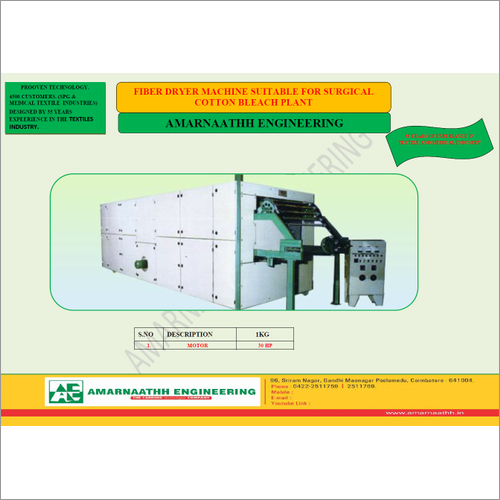
The plant is engineered for continuous industrial production and includes bleaching, drying, opening, cleaning, lap forming, rolling, cutting, and packaging support systems for efficient end-to-end cotton processing.
Raw Material
- Raw Cotton
- Natural Cotton Fiber
- Non-Absorbent Cotton
-
End Products
- Surgical Cotton Rolls
- Absorbent Cotton Wool Rolls
- Medical Cotton Rolls
- Cosmetic Cotton Rolls
- Hospital Cotton Products
- Healthcare Cotton Consumables
-
Why Choose Amarnaathh Engineering?
- Advanced medical textile engineering solutions
- High production efficiency with low maintenance
- Customized plant layouts and machine configurations
- Global industrial manufacturing standards
- Reliable after-sales and technical support
- Heavy-duty industrial machine construction
- Energy-efficient and automation-focused systems
- Trusted supplier for medical textile manufacturing plants
-
Machine Information
| Specification |
Details
|
| Machine Name |
Medical Cotton Roll Processing Machine with Bleaching Plant |
| Brand Name |
Amarnaathh Engineering |
| Machine Type |
Automatic Medical Cotton Processing Line |
| Production Capacity |
Customizable as per requirement |
| Application |
Surgical & Cosmetic Cotton Roll Manufacturing |
| Raw Material |
Raw Cotton Fiber |
| End Product |
Absorbent Surgical Cotton Rolls |
| Automation Grade |
Semi Automatic / Fully Automatic |
| Power Requirement |
Industrial Power Supply |
| Operation |
Continuous Production System |
| Industry |
Medical Textile Machinery
|
Plant Process Flow
Complete Manufacturing Process
Raw Cotton Feeding Cotton Opening Cleaning Process Bleaching Process Washing System Hydro Extraction Drying Process Cotton Opening & Lap Forming Rolling Process Cutting Process Final Packaging.
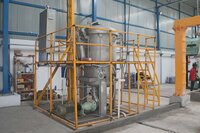
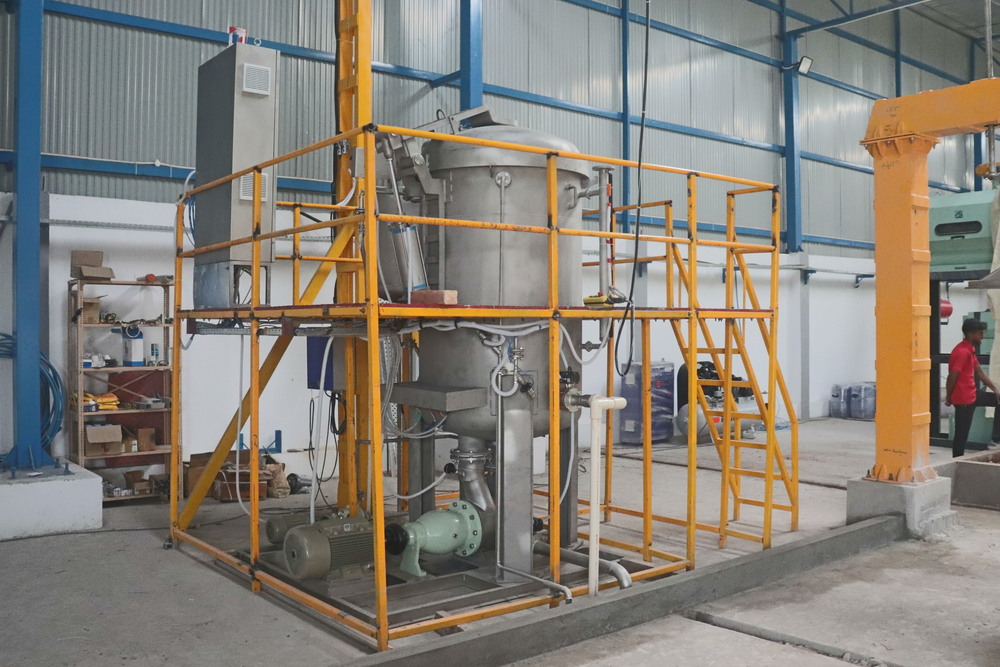
Integrated Bleaching TechnologyThe MCR-BL12 incorporates state-of-the-art bleaching technology compatible with hydrogen peroxide and sodium hypochlorite, ensuring uniform absorbency in the processed cotton rolls. Its closed system ensures safety and minimizes environmental impact while maintaining the delicate structure of cotton fibers for superior medical-grade quality.
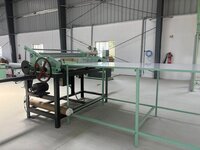
User-Friendly and Efficient OperationEquipped with a PLC-based or manual control system, this machine requires only one or two operators, offering both semi-automatic and automatic operation modes. Features like automatic roll cutting and electronic weight adjustment streamline the production process, while intuitive controls make it easy to operate, even for relatively new staff.
Built for Safety and DurabilityIntegrated emergency stop mechanisms, overload protection, and a robust heavy-duty steel frame ensure ongoing production safety and machine durability. The inbuilt suction port aids in dust extraction, maintaining a clean work environment and extending the machine's service lifespan with minimal maintenance requirements.
FAQ's of Medical Cotton Roll Processing with Bleaching:
Q: How does the bleaching process in the MCR-BL12 Medical Cotton Roll Processing Machine work?
A: The machine integrates a bleaching system that uses either hydrogen peroxide or sodium hypochlorite, combined with controlled pressure and temperature, to process raw ginned cotton into highly absorbent, sterilized rolls. The process is automated for consistency and monitored via sensor-based controls.
Q: What is the production capacity and typical process cycle time for this machine?
A: The MCR-BL12 has a production capacity of up to 120 kg of cotton rolls per hour. Each process cycle takes approximately 10 to 12 minutes, enabling high-efficiency production for large and small manufacturing needs.
Q: When and where is this machine most commonly used?
A: This machine is predominantly used in medical cotton processing facilities, textile industries, and manufacturing units needing large volumes of sterile, absorbent cotton rolls. It is suitable for operation in an ambient temperature environment up to 40C.
Q: What are the benefits of integrated sterilization and dust extraction features?
A: Integrated UV/Steam sterilization ensures the cotton rolls meet hygiene standards, while the inbuilt suction port eliminates dust and lint, keeping the workspace clean and reducing the risk of contamination. These features contribute to consistent product quality and operator health.
Q: How adjustable are the output roll sizes and weights?
A: Both the output roll size and weight are fully adjustable, allowing customization to client specifications through electronic settings and automated cutting. This offers manufacturers optimal flexibility for different market and end-use requirements.
Q: What maintenance is required for the MCR-BL12, and how is safety ensured?
A: Maintenance is minimal, thanks to easy-access panels and an automatic oil lubrication system. Safety is enhanced by emergency stops, overload protection, and robust frame construction, ensuring safe and reliable long-term use.
Q: What control options and connectivity features does the machine offer?
A: The machine provides a PLC-based or manual control interface, allowing for seamless operation and quick adjustments. Connectivity includes a panel interface with alarm outputs for efficient process monitoring and management.